
Required

Physical Anxiety Symptoms Explained
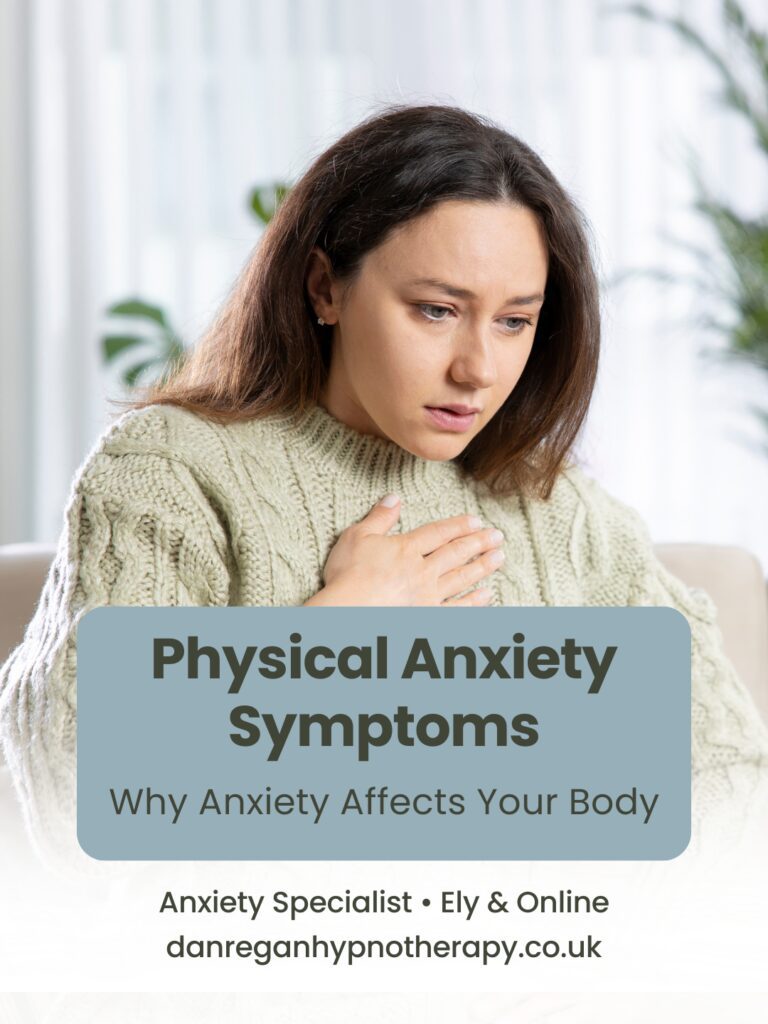
Physical Anxiety Symptoms Explained: Why Anxiety Affects Your Body
This article explains the common physical symptoms of anxiety, why they happen and what you can do to calm your nervous system when those sensations arise.
Anxiety fills your mind with racing thoughts of the worst happening. You get caught in a loop of worrying thoughts, fear and overthinking. Alongside this, you experience all the unpleasant, frightening and uncomfortable physical anxiety symptoms. For some people, the most distressing part of anxiety is what they feel in their body.
It doesn’t matter whether your anxiety is about something specific or more general. Your heart races, your chest tightens and you can experience dizziness, nausea and a wave of fear. When those bodily sensations and feelings strike and hit you, it can feel debilitating and crushing.
These symptoms can be frightening and feel overwhelming. They can appear suddenly or without any obvious cause. The bodily feelings can become more and more frequent. You start to focus upon them more and more. Even when you feel fine, you worry about feeling that bad again. You may start limiting what you do and avoiding things. You just want to retreat to somewhere where you feel more safe.
It’s very common for people to start worrying that something is physically wrong with them. The medical tests all come back normal but your anxiety about your health continues.
If you’re experiencing anxiety symptoms in Ely, Newmarket or the surrounding Cambridgeshire area, it’s helpful to know that these physical reactions are very common and treatable with support such as hypnotherapy.
This article will help you to understand why anxiety causes physical symptoms and how you can start feeling better.
What Are The Physical Symptoms of Anxiety?
Physical anxiety symptoms are the body’s natural response to perceived threat. These can include a racing heart, dizziness, breathlessness, muscle tension and other physical sensations, even when there is no immediate danger.
Quick Summary
Physical anxiety symptoms can feel frightening because they are genuine physical sensations created by the body’s natural fight-or-flight response.
In this article you’ll discover:
- why anxiety causes physical symptoms
- the most common physical anxiety symptoms
- why the sensations feel so convincing
- why medical tests often come back normal
- how hypnotherapy helps calm the nervous system
The symptoms are real, but they are produced by an overprotective nervous system rather than a dangerous physical illness.
This is one article in my series explaining the most common physical symptoms of anxiety and why they happen:
- Shortness of Breath and Anxiety
- Can Anxiety Cause Chest Pain?
- Can Anxiety Cause Dizziness?
- Why Anxiety Makes Your Heart Race
- Can Anxiety Make You Feel Sick?
- Can Anxiety Cause Tingling?
- Can Anxiety Cause Blurred Vision?
- Can Anxiety Cause Hot Flushes?
- Can Anxiety Cause Shaking or Trembling?
Related Resources
You may also find these helpful:
- Anxiety Support Hub
- Why Anxiety Often Feels So Physical (Even When Nothing Is Wrong)
- Fear of Losing Control and Anxiety
- Fear of Dying and Anxiety
- Am I Having A Panic Attack?
- Health Anxiety
- How To Calm Anxiety In The Moment
- Hypnotherapy Reviews in Ely
You can also read real client experiences from people who have overcome panic attacks, health anxiety and physical anxiety symptoms: Hypnotherapy Reviews in Ely
Understanding Physical Symptoms of Anxiety
Although anxiety affects everyone differently, these are some of the most common physical symptoms people experience:
-
- racing heart or palpitations
- chest tightness or chest pain
- shortness of breath
- dizziness or feeling light-headed
- nausea or stomach discomfort
- diarrhoea
- muscle tension
- shaking or trembling
- sweating or hot flushes
- tingling sensations
- feeling detached or unreal (derealisation)
Some people experience only one or two symptoms, while others notice several at once. Although these sensations can feel alarming, they are all common responses of the body’s anxiety and stress system.
Why Anxiety Causes Physical Symptoms
In my work as an anxiety therapist in Ely, many people describe how physical symptoms are often the most confusing and frightening part of anxiety.
Anxiety activates the body’s natural fight-or-flight response, your survival system designed to protect you from danger.
When your brain believes there may be a threat, it releases stress hormones such as adrenaline. These prepare your body to deal with danger by increasing your heart rate, changing your breathing, tensing your muscles and making you more alert. This is helpful if you were to be faced with an external threat. However, most threats in the modern world arise within your own thinking and perception.
The real difficulty is that anxiety can activate this response even when there is no genuine danger.
You know you are logically safe but your mind and body would rather prepare to keep you safe than do nothing and there was an actual threat. In evolutionary terms, a delay in responding to keep yourself safe could have proved fatal. The sensations can feel intense and confusing. They cause you more stress and worry and this increases your anxiety.
The sensations are completely real, but they are being produced by an overprotective nervous system rather than by damage or disease.
If you’d like a more detailed explanation of why anxiety feels so physical, you may also find this helpful:
Why Anxiety Often Feels So Physical (Even When Nothing Is Wrong)
Why Different People Experience Different Symptoms
One thing that often surprises people is that anxiety doesn’t affect everyone in the same way.
Some people mainly notice:
- a racing heart
- chest tightness
- dizziness
Others are more aware of:
- stomach problems
- nausea
- muscle tension
- shaking
Some people experience several symptoms at once, while others tend to notice just one or two (even though many of the others will be happening too).
Although the symptoms differ, they are all produced by the same underlying anxiety response.
One Thing I Learned About Physical Anxiety
One of the biggest turning points in overcoming my own anxiety was realising that the physical symptoms weren’t evidence that something terrible was happening.
When my heart raced, I felt nauseous or I felt dizzy, I automatically assumed something must be wrong.
That fear then created even more adrenaline, which made the symptoms feel even stronger. My mind would race with worst case scenarios and these would link back into more unwanted feelings.
Once I understood what my nervous system was actually doing, the symptoms gradually became far less frightening.
Ironically, the less I feared them, the less they happened.
I still remember how reassuring that realisation was, and it’s something I now explain to almost every anxiety client I work with.
Struggling With Anxiety Sensations?
If physical anxiety symptoms are affecting your day-to-day life, hypnotherapy can help calm your nervous system and build lasting regulation. Support through Anxiety Support in Ely can help reduce both the physical sensations and the worry around them.
If you’re unsure whether anxiety may need additional support, it can help to understand when you should seek help for anxiety.
If anxiety symptoms begin appearing more frequently, it may help to recognise the signs your anxiety is getting worse.
Why Physical Symptoms Can Feel So Frightening
Physical anxiety symptoms can feel distressing, uncomfortable and frightening. You worry about what your body is doing and you may think there is something seriously medically wrong with you. You can become hyper-vigilant about the feelings in your body, constantly scanning the sensations you feel.
Physical symptoms of anxiety often create a feedback loop:
- You notice a sensation (e.g. heart racing)
- Your mind interprets it as danger
- Your anxiety increases
- The symptoms intensify and you worry more
This cycle can make anxiety feel unpredictable and overwhelming, particularly if symptoms resemble serious health conditions.
It’s quite common that my anxiety hypnotherapy clients will have been to their doctor and had numerous medical tests before seeking psychological support.
If you recognise this pattern of anxiety, you may find this helpful: Anxiety Support Hub for physical symptoms
If physical anxiety symptoms are affecting your day-to-day life, it can help to talk things through. Many people find reassurance simply by understanding what their body is doing and learning how to calm the nervous system.
Why Symptoms Can Change From Day To Day
Many people worry because their symptoms seem to move around.
One week they notice a racing heart or tight chest. The following week it might be dizziness or stomach discomfort.
This is very common.
As anxiety levels rise and fall, different parts of the body’s stress response can become more noticeable.
Changing symptoms do not necessarily mean something new is wrong. They often reflect the same anxious nervous system responding in slightly different ways.
Anxiety vs Physical Illness
Many people with physical anxiety symptoms worry they may have:
- Heart problems
- Breathing disorders
- Neurological issues
- Digestive illness
It’s always important to rule out medical causes where appropriate. However, when tests are normal and symptoms continue, anxiety is often the underlying factor.
This overlap is especially common in health anxiety, where attention becomes focused on bodily sensations. You may find these health anxiety articles helpful:
Health Anxiety and Online Health Information Seeking
Health Anxiety Hypnotherapy Testimonial
Most Common Physical Anxiety Symptoms Explained
Physical symptoms are particularly intense during panic attacks. Panic is a sudden surge of anxiety that causes the fight-or-flight response to peak.
If you’re experiencing physical symptoms of anxiety, you can explore these in more detail below:
- Chest pain
- Shortness of breath and anxiety
- Can anxiety cause dizziness?
- Fear of losing control and anxiety
- Fear of dying during anxiety or panic
- Am I having a panic attack?
- Why anxiety makes your heart race
Although anxiety and panic attacks feel extreme, they are still a temporary nervous system response. You are still medically safe, and left alone, the feelings would come back down. However, the intense sensations scare you and you start to think the worst. That worry leads to even more adrenaline and oxygen moving through your system. That then panics you even more as you become more sure there must be something wrong with you. The anxiety spiral then continues.
Related reading about panic attacks: Panic Attack physical symptoms
Physical symptoms often trigger overthinking such as checking sensations, monitoring the body, or seeking reassurance. Reducing anxiety at a deeper level often reduces the need to constantly monitor physical sensations.
If these symptoms feel overwhelming, you may find it helpful to learn how to calm anxiety in the moment using simple techniques.
How Hypnotherapy Can Help with Physical Anxiety Symptoms
Hypnotherapy works with the habitual patterns of thoughts, feelings and behaviours that lead to anxiety responses continuing.
Using normal psychological processes, you can start to interrupt that pattern and take back control over thoughts and feelings. You can then purposefully create a pattern where you feel more calm, confident and in control.
Rather than focusing only on symptoms, hypnotherapy aims to:
- Calm the anxious feelings and physical symptoms
- Reduce fear responses
- Change how the body reacts to stress
- Break the anxiety–symptom–fear cycle
- Change the thought patterns that support anxiety
- Restore a sense of safety, calmness and control
When anxiety reduces, physical symptoms gradually become less intense and less frequent. You start feeling better and this leads to more positive thoughts, feelings, actions and behaviours. That then becomes more automatic and habitual and you use the strategies you have learnt to stay on top of things.
Anxiety can also come and go in waves. If you’ve ever felt discouraged because symptoms returned after a good period, you may find it helpful to read Why Anxiety Comes Back
Frequently Asked Questions
Why does anxiety cause physical symptoms?
Anxiety triggers the nervous system’s threat response, releasing adrenaline and creating physical sensations even when there is no real danger.
Are physical anxiety symptoms dangerous?
No, while uncomfortable, these symptoms are the result of your body’s stress response and are not evidence of physical illness. However, any new, severe or persistent symptoms should always be discussed with a healthcare professional.
How can I calm physical anxiety symptoms quickly?
Slow breathing, grounding exercises and calming the nervous system through hypnotherapy can help.
Why do my anxiety symptoms keep changing?
Anxiety activates the whole nervous system, so symptoms can vary from day to day. Some days you may notice your heart racing, while on others dizziness, muscle tension or stomach discomfort may be more obvious. This is very common.
Why do doctors say it’s anxiety when my symptoms feel so real?
Because anxiety produces genuine physical changes within the body. Although the sensations are real, they are caused by the body’s stress response rather than damage or disease. If symptoms are new, persistent or concerning they should always be discussed with a healthcare professional.
If these symptoms have been ongoing, it may help to understand why anxiety isn’t going away on its own.
Anxiety Hypnotherapy in Ely
If physical anxiety symptoms are affecting your daily life, whether through panic, health anxiety or ongoing stress, hypnotherapy may help you feel calmer and more in control.
One of the most reassuring things to remember is that physical anxiety symptoms are common.
They can feel frightening, overwhelming and convincing, but they are also understandable.
As anxiety reduces and your nervous system settles, many people notice that the physical symptoms gradually become less intense, less frequent and much less frightening.
As your nervous system relearns that you are safe, your body no longer needs to stay on constant alert.
You can learn more here:
Or arrange a free initial consultation to discuss what might help.
To your health and happiness,
Dan Regan
Anxiety Hypnotherapy in Ely and Newmarket
Could you use some help with anxiety in Ely, Newmarket or Online? Struggling with anxiety, stress, worry and fear and need some help? Find out how I can help with a Complimentary Anxiety Hypnotherapy Strategy Session. Contact Dan
Find out what hundreds of other people have said after their anxiety hypnotherapy sessions with Dan: Hypnotherapy Testimonials
And check out these popular and powerful hypnosis downloads that can start helping you right away with anxiety, confidence and more: Hypnosis Downloads
Get Your Copy Right Now…
Subscribe to Dan’s Digest filled with tips, strategies and techniques and get instant access to your free rapid relaxation hypnosis audio track.
Enjoy feeling and being more mentally calm and physically relaxed right now:

0 Comments