
Required

Can Anxiety Cause Chest Pain?
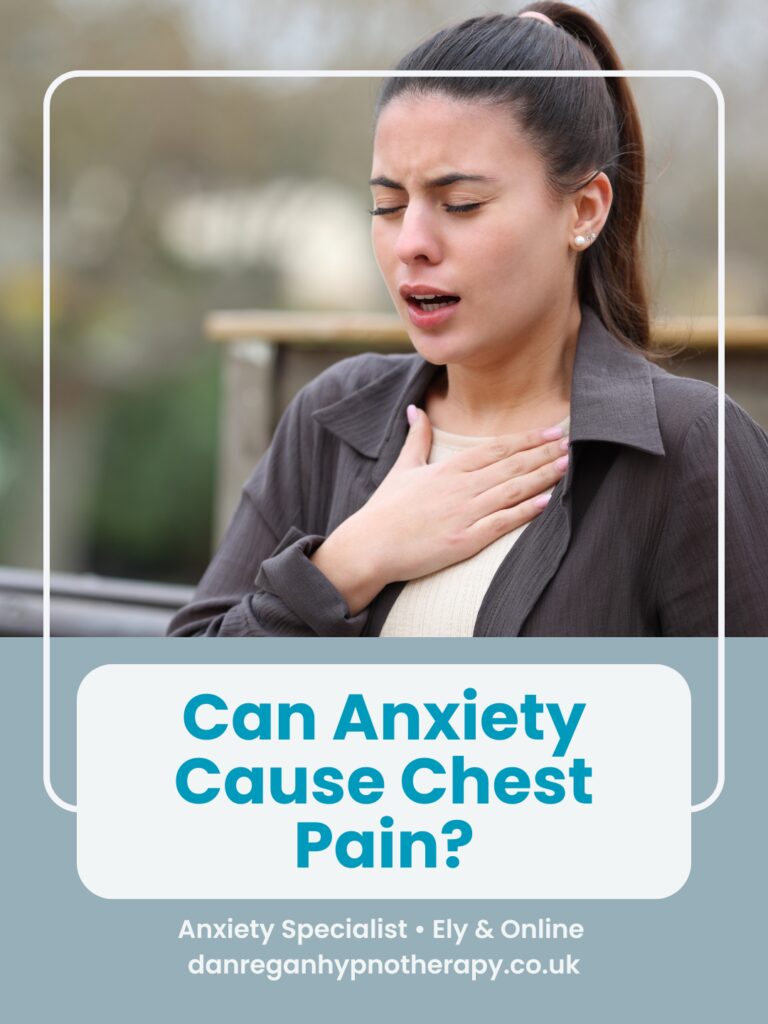
Can Anxiety Cause Chest Pain?
You feel anxious and your chest feels tight. You start to worry even more than something is seriously wrong with you. After all, can anxiety cause chest pain? Or is something more sinister occurring?
Many people I work with in Ely and the surrounding Cambridgeshire area find chest sensations confusing and frightening — especially when they don’t understand the role anxiety can play. Chest pain as often one of the most frightening symptoms of anxiety – especially when it comes on suddenly or unexpectedly
When you feel stressed or anxious, your chest can feel tight and heavy. Chest pain can be a worrying symptom, it feels like something could be wrong with your heart. You may have called the NHS or even sought an ambulance because of how uncomfortable and worrying it feels. Especially when it first happens, you may have thought you were having a heart attack. Many clients I work with have been to hospital and their GP repeatedly and had all sorts of tests about their chest pain that all come back clear.
Chest pain can be a worrying symptom, especially when you are unclear what is happening and why. Yet for many people I work with, anxiety itself can be the cause of their chest discomfort.
Can anxiety cause chest pain? Yes, it can. So lets explore how anxiety can lead to chest pain, why it happens and what you can do to calm both your body and mind when those sensations arise.
Quick Summary
Chest pain is one of the most frightening symptoms anxiety can produce, especially when it feels as though something is wrong with your heart.
In this article you’ll discover:
- why anxiety can cause chest pain and tightness
- why chest pain often feels like a heart attack
- why anxiety changes your breathing and muscles
- why fear often makes the pain feel worse
- how understanding the pattern helps break the cycle
One of the biggest turning points is realising that once serious medical causes have been ruled out, anxiety-related chest pain is a sign of your body’s alarm system.
This is one article in my series explaining the most common physical symptoms of anxiety and why they happen:
- Physical Anxiety Symptoms
- Shortness of Breath and Anxiety
- Can Anxiety Cause Dizziness?
- Can Anxiety Cause Diarrhoea?
- Why Anxiety Makes Your Heart Race
- Can Anxiety Make You Feel Sick?
- Can Anxiety Cause Tingling?
- Can Anxiety Cause Blurred Vision?
- Can Anxiety Cause Hot Flushes?
- Can Anxiety Cause Shaking or Trembling?
Related Articles
- Anxiety Support Hub
- Physical Anxiety Symptoms
- Fear of Dying and Anxiety
- Why Panic Attacks Feel So Intense
- Hypnotherapy Reviews in Ely
The Link Between Anxiety and Chest Pain
When you feel anxious, your body prepares for you to deal with the threat. Your natural fight or flight response is activated. Adrenaline, oxygen and stress hormones flood your system in readiness for quickly responding to the perceived threat and danger. Your breathing becomes faster and shallower, your heart rate increases and blood and energy is sent to your muscles.
Your body gets you ready to deal with the threat and danger. You are ready for action and exercise. It’s a built in survival response that we all have. When we all lived in caves, threats were going to kill or harm us. We had to be able to respond quickly. Time has moved on yet we still have this response to danger. Useful if you are in a dangerous situation, much less helpful where it fires off too much and too often. In these modern times, most of the threats lurk within our own thinking and perception. These negative, worst case scenarios continue to worry and stress you.
All of the physical changes caused by anxiety and completely normal, short term responses. But when anxiety is frequent or intense, it creates uncomfortable sensations such as tightness, pressure and pain in your chest.
Common anxiety related chest sensations can include a tightness or feeling of constriction, sharp or stabbing pains that come and go, or a heavy, aching feeling in the chest. Sometimes it may feel like you are short of breath or a sense that you can’t take a full breath.
Understandably, these sensations increase your worry and anxiety. This can then make the symptoms feel even more unpleasant, intense and uncomfortable. It can quickly become a cycle of worry and physical discomfort.
For some people, these kinds of sensations can lead to ongoing worry about health. You can read more about why health anxiety feels so real and why reassurance doesn’t last.
If you’d like a broader overview of how anxiety affects thoughts, emotions and physical sensations, you might find my Anxiety Support Hub helpful.
Of course, as an important note, you should always get chest pain checked by a medical professional. Once any medical causes have been ruled out, and if anxiety is causing these sensations, then there are effective ways to calm them.
Why Chest Pain Can Become a Cycle
One of the reasons anxiety-related chest pain can become so frightening is that the chest discomfort itself soon becomes the next thing you fear.
The cycle often looks something like this:
- Your chest feels tight or uncomfortable.
- You immediately notice the sensation.
- Your mind starts asking:
- “What if it’s my heart?”
- “What if I’m having a heart attack?”
- “What if something serious has been missed?”
- Those frightening thoughts create even more anxiety.
Your body releases more adrenaline, your breathing becomes faster, your muscles tighten further and your chest feels even more uncomfortable. Your brain then interprets those stronger sensations as further ‘evidence’ that something serious must be happening.
Before long, you’ve become caught in a self-perpetuating cycle where anxiety creates chest pain, and the chest pain creates even more anxiety.
In my experience of helping people with anxiety, a tight chest is often a sign of shallow, accelerated breathing. The encouraging news is that once you understand this pattern, it begins to lose much of its power. Instead of seeing every chest sensation as a sign of danger, you can begin recognising it for what it usually is – your body’s alarm system responding to anxiety rather than a problem with your heart.
One Thing I Learned About Chest Pain
One of the symptoms that frightened me most wasn’t actually the anxiety itself.
It was my chest. The tightness, racing heart and pressure all seemed to point towards one frightening conclusion.
“What if this isn’t anxiety?”
Even when part of me suspected it was anxiety, another part kept wondering whether this time it might be something more serious. I would avoid situtions and people. If I could get home I would rush there as quickly as I could. Sometimes I’d put my head down, hope nobody noticed how anxious I felt and become completely absorbed in every sensation in my chest.
Looking back now, I realise I wasn’t really frightened of the chest pain.
I was frightened of what I believed it meant and how it made me feel.
Once I understood what my body was actually doing, the fear gradually reduced. And as the fear reduced, the chest symptoms reduced too.
What Actually Helps
Anxiety has three main components. There are all the negative thinking patterns where you imagine the worst. There are the behaviours of anxiety, the most common of which is avoidance. And there are all the uncomfortable physical sensations.
Your muscles tense up, your breathing rate increases and your heart beats faster. The extra tension in the chest muscles, combined with shallow breathing and increased awareness of bodily sensations, can all contribute to the feeling of chest pain or tightness.
The more you focus on those feelings and worry what they might mean, the more your anxiety increases. And the stronger the sensations become.
However, knowing what is happening, you can take steps to break the cycle and ease both your anxiety, and the chest discomfort that comes with it.
Here are three ways to help ease chest pain from anxiety:
1. Practice Controlled Breathing
When you feel anxious, you breathe shallower and faster. This in itself can create a sense of tightness in your chest. Slow, steady breathing helps calm anxiety and reduce the physical stress response. You breathe out longer than in and this fires off your natural relaxation response.
As you relax, your breathing naturally becomes slower and deeper and this helps your body relax. This in turn eases chest tightness. Try breathing in for a count of four, holding for a count of two and then gently breathing out for a count of six. This helps your body return to a sense of calm and reduces tightness in the chest.
There’s more about this here: Controlled Breathing To Calm Anxious Feelings
2. Relax Your Body
When you feel tense, consciously relax your shoulders, chest and stomach muscles. Try a few gentle stretches to release that built up tension. Alternatively, go for a brisk walk and give the physical sensation an outlet through using your muscles. Or, as a further option, you can start practising guided relaxation, for example, through using one of my hypnosis downloads
3. Challenge Anxious Thoughts
When you feel anxiety related chest pain or tightness, remind yourself that what you are feeling is a common anxiety symptom. Once you’ve been medically assessed and serious causes have been ruled out it will calm down. The more you reassure yourself the less fuel the sensations have to keep the cycle of anxiety going.
There are many methods for challenging anxious thoughts in the articles on this website, or you may wish to check out the grounding techniques in this article: Grounding Techniques for Anxiety
The Good News
One of the most reassuring things people discover is that chest pain usually becomes much less frightening once they understand why it’s happening.
Instead of thinking: “I’m having a heart attack.”
they begin thinking: “My anxious nervous system has switched on.”
That single change often removes much of the fear that was keeping the cycle going. It points you towards what your body actually needs – for your nervous system to settle rather than for you to search for more danger. Instead of trying to fight the sensations, you begin calming the anxiety that’s creating them.
As the fear reduces, muscle tension decreases, breathing settles and the chest discomfort usually becomes much easier to manage.
Frequently Asked Questions about Anxiety and Chest Pain
Can anxiety really cause chest pain?
Yes. Anxiety can cause chest pain, tightness, pressure and discomfort through muscle tension, changes in breathing and activation of the body’s fight-or-flight response. These sensations can feel very convincing, but once serious medical causes have been ruled out, they are a common symptom of anxiety.
Why does anxiety make my chest feel tight?
When you’re anxious, your muscles naturally tense up and your breathing becomes faster and shallower. This combination can make your chest feel tight, heavy or uncomfortable, even though nothing is physically wrong with your heart.
How can I tell if chest pain is anxiety or something more serious?
Chest pain should always be medically assessed, particularly if it is new, severe or unexplained. Once you’ve been examined by a healthcare professional and serious medical causes have been ruled out, anxiety is one of the most common explanations for ongoing chest discomfort. Many people come to see me after being told by their doctor that what they are experiencing is anxiety.
Can anxiety cause chest pain every day?
Yes. If your nervous system remains in a constant state of stress or alertness, chest tightness and discomfort can become a recurring symptom. You can also begin anticipating the sensation itself, becoming increasingly aware of every feeling in your chest. That extra attention often makes the discomfort seem even stronger. As anxiety improves and the nervous system becomes calmer, these sensations often become much less frequent.
What helps anxiety-related chest pain?
Understanding why the pain is happening is often the first step. Learning how anxiety affects your breathing, muscles and nervous system, alongside techniques such as controlled breathing, relaxation and changing anxious thinking patterns, can help reduce both the anxiety and the chest discomfort over time.
Getting Help To Ease Anxiety and Physical Symptoms
If anxiety related symptoms like chest pain are affecting your life, hypnotherapy can help you calm your mind, reduce physical tension and regain a sense of control.
Through hypnotherapy, my clients learn how to calm anxious feelings and reduce anxious thoughts. You start feeling more calm, confident and in control. And you learn how to manage your own mindset to keep things there no matter what future challenges may come your way.
Yes, anxiety can cause chest pain. And while it can feel alarming, it’s just a sign that your body is reacting to worry, stress and anxiety. With the right support and techniques, you can reduce anxiety, ease physical symptoms and start feeling calmer and happier.
Many people find that combining practical understanding with calming techniques can reduce how intense these sensations feel over time.
You can learn more here:
Or arrange a free initial consultation to discuss what might help.
To your health and happiness,
Dan Regan
Anxiety Therapy and Hypnotherapy in Ely and Newmarket
Could you use some help with your anxiety? Struggling with anxiety, stress, worry and fear and need some help? Find out how I can help with a Complimentary Anxiety Hypnotherapy Strategy Session. Learn more here: Appointments
Find out what hundreds of other people have said after their anxiety hypnotherapy sessions with Dan: Hypnotherapy Testimonials
And check out these popular and powerful hypnosis downloads that can start helping you right away with anxiety, confidence and more: Hypnosis Downloads
Get Your Copy Right Now…
Subscribe to Dan’s Digest filled with tips, strategies and techniques and get instant access to your free rapid relaxation hypnosis audio track.
Enjoy feeling and being more mentally calm and physically relaxed right now:

0 Comments