
Required

Can Anxiety Cause Dizziness?
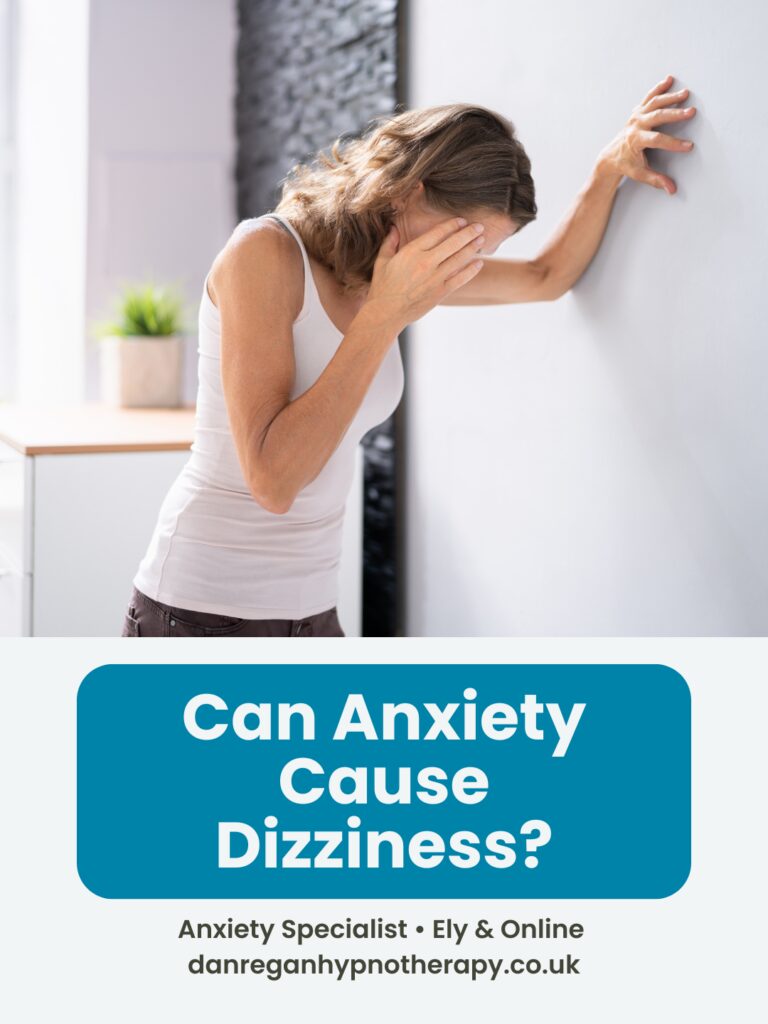
Can Anxiety Cause Dizziness? Anxiety Hypnotherapy in Ely & Newmarket
I work with dozens of people every week with anxiety in Ely, Newmarket and Online. Common symptoms they describe include feeling dizzy, disorientated and light headed. You may worry that something is wrong when you experience these sorts of symptoms because you worrry something is wrong with you. So can anxiety cause dizziness?
If you feel dizzy then it can make you feel unsteady and unwell. You may start to worry that there is something seriously wrong with you. Whilst not everyone with anxiety reports it, certainly anxiety can cause dizziness and a sense of being lightheaded and feeling unsteady. Dizziness is one of the more unsettling physical symptoms of anxiety, and it can make you feel even more worried once it starts happening.
Anxiety causes many physical sensations in your body. You can feel tense, hot and restless. You may get a tight chest, have heart palpitations and feel nauseous. You start feeling anxious and then your thoughts and feelings start to feed off each other, ramping it up more and more uncomfortably.
Many people I work with for anxiety describe feeling off balance, spaced out or like things are spinning when they are stressed and anxious. Some people describe it as feeling slightly “floaty”, disconnected or as though they’re walking on a boat. Others say they simply don’t feel quite right, even though medical tests show everything is normal.
The more anxious you get, the greater you can experience it. You struggle to do things, panic something is seriously wrong with your health and you may feel sick. It can be scary, especially if you are unsure what’s causing it. Many people experiencing physical anxiety symptoms also become frightened by what the sensations might mean.
Can anxiety cause dizziness? Yes, it certainly can. So what is happening and what can you do about it so that you feel more steady and more calm.
Quick Summary
Feeling dizzy is one of the most unsettling physical symptoms of anxiety because it can make you feel as though something is seriously wrong.
In this article you’ll discover:
- why anxiety can make you feel dizzy or light-headed
- why dizziness often happens alongside panic
- why worrying about dizziness usually makes it worse
- why these sensations aren’t usually dangerous
- how understanding the pattern helps you regain confidence
One of the biggest turning points is realising that anxiety changes the way your body functions, creating dizziness without there being anything medically wrong.
Dizziness is just one of several physical symptoms anxiety can produce. I’ve also written detailed articles explaining chest pain, heart racing, shortness of breath and other common anxiety symptoms:
- Physical Anxiety Symptoms
- Shortness of Breath and Anxiety
- Can Anxiety Cause Chest Pain?
- Can Anxiety Cause Diarrhoea?
- Why Anxiety Makes Your Heart Race
- Can Anxiety Make You Feel Sick?
- Can Anxiety Cause Tingling?
- Can Anxiety Cause Blurred Vision?
- Can Anxiety Cause Hot Flushes?
- Can Anxiety Cause Shaking or Trembling?
Related Articles
- Anxiety Support Hub
- Fear of Dying and Anxiety
- Fear of Losing Control and Anxiety
- Why Panic Attacks Feel So Intense
- Hypnotherapy Reviews in Ely
The Connection Between Anxiety and Dizziness
When you feel anxious, your body prepares you to deal with the threat. Your natural fight or flight response is activated. Adrenaline, oxygen and stress hormones flood your system in readiness for quickly responding to the perceived threat and danger. Your breathing becomes faster and shallower, your heart rate increases and blood and energy is sent to your muscles.
If you were faced with an actual, external threat or danger then these responses are helpful. In evolutionary terms, it is how we are all still here today. Yet, in modern times, most threats are in our own thinking and perception, rather than being things that plan to kill or eat us.
All of the physical changes you experience are completely normal and are what your body is designed to do. It’s all about your survival and protection mechanism. However, anxiety can create issues such as dizziness, feeling lightheaded or a sense of imbalance.
You may experience sensations such as feeling lightheaded or faint, a spinning or swaying feeling or a sense of detachment from your surroundings.
For some people, these kinds of sensations can lead to ongoing worry about health. You can read more about why health anxiety feels so real and why reassurance doesn’t last.
Dizziness often appears alongside other physical anxiety symptoms, including breathlessness or a racing heartbeat. You can read more about why anxiety makes your heart race and how the body responds to stress.
When these symptoms suddenly start happening, or when you are unsure what is happening to you, these feelings can add to your anxiety. That extra worry can, in turn, make your dizziness worse.
Because dizziness can feel alarming, it can sometimes lead to a fear of dying during anxiety
Why Anxiety Can Make You Feel Dizzy
In my experience of working with people for anxiety hypnotherapy in Ely and Newmarket, there are a few key reasons why anxiety can trigger dizziness.
One of the main causes of anxious dizziness is over-breathing or hyperventilating. When you are anxious, you breathe more quickly and shallowly. One of the main causes is over-breathing (hyperventilation). Although it often feels as though you’re not getting enough air, you’re actually breathing too much. This lowers carbon dioxide levels in the blood, which can make you feel light-headed, dizzy and disconnected.
When you are anxious, your eye pupils dilate to take in more information about your surroundings. Your brain and eyes are scanning for threats and escape routes. With anxiety, you may already be used to looking for exits and ways out when you go into situations. This influx of information can feel overwhelming and disorientating. In addition, when anxious, your brain functions are downgraded in importance. Less blood flow goes there as it is not important to have a good think when faced with danger. Blood and oxygen needs to go to your muscles for you to act. This subtle change can create a sense of dizziness.
It’s also possible that dizziness when anxious could arise from muscle tension. Tension in your neck, shoulders or jaw can create restriction and subtly affect your balance. When you are anxious you are also likely to be hyper-focused upon the sensations you can feel. They frighten you so you pay attention to every feeling in your body. Any small changes in balance or vision can suddenly feel much more intense or alarming.
Of course, if you are concerned about dizziness then you should visit your GP to rule out another other potential cause for your dizziness. If it only happens when you are anxious then that would suggest that anxiety is the cause. However, you want to get the reassurance that it is nothing else (or your anxious mind will create doubt about what if it is something more serious). If it is anxious dizziness then, whilst uncomfortable and unpleasant, you are perfectly medically safe.
If anxiety symptoms are starting to affect daily life, anxiety support in Ely can help reduce both the physical sensations and the worry around them.
Why Dizziness Can Become a Cycle
One of the reasons anxiety-related dizziness can become so distressing is that the dizziness itself soon becomes the next thing you fear. You worrty about feeling dizzy and that anxiety can create the dizziness.
The cycle often looks something like this:
- You suddenly feel light-headed or unsteady.
- You immediately notice the sensation.
- Your mind starts asking:
- “What if I faint?”
- “What if I collapse?”
- “What if something is seriously wrong?”
- Those frightening thoughts create even more anxiety.
Your breathing becomes even faster, your muscles tense further and your nervous system releases more adrenaline. That makes the dizziness feel even more noticeable.
Your brain then treats those stronger sensations as further ‘evidence’ that something serious must be happening.
Before long, you’ve become caught in a self-perpetuating cycle where anxiety creates dizziness, and the dizziness creates even more anxiety.
The encouraging news is that once you understand this pattern, it begins to lose much of its power. Instead of interpreting every dizzy feeling as a sign that something is medically wrong, you can begin recognising it for what it usually is – your body’s natural response to an anxious nervous system.
One Thing I Learned About Anxiety and Dizziness
One of the symptoms I found hardest to explain to other people was dizziness. Everyone knows anxiety can accelerate your breathing and lead to butterflies in the stomach. Fewer people realise that dizziness can be a part of anxiety.
For me, it wasn’t like the room was spinning.
It was more that I felt detached, light-headed and slightly unsteady.
The moment it happened, my mind would immediately begin asking:
- “What’s wrong with me?”
- “Why do I suddenly feel like this?”
- “What if I faint?”
The worry could be so great that I’d want to avoid things and just stay at home. When it happened, it was like feeling unwell.
Looking back now, I realise it wasn’t the dizziness itself that kept the anxiety going. It was what I believed the dizziness meant and the worry about how it made me feel.
Once I understood how anxiety changes breathing, adrenaline and my awareness of physical sensations, the dizziness gradually became much less frightening.
What Actually Helps
Once you understand what’s happening inside your body, you can begin breaking the cycle rather than accidentally feeding it.
Here are three simple things that often help.
1. Slow Your Breathing
One of the biggest causes of anxiety-related dizziness is breathing too quickly. When you slow your breathing and make your out-breath longer than your in-breath, you activate your body’s natural relaxation response. It’s what you do when you are relaxed anyway, you are just purposefully using this natural process.
As your breathing settles, oxygen and carbon dioxide levels begin returning to normal and feelings of dizziness often reduce.
Practising breathing exercises when you’re already fairly calm also makes them much easier to use when anxiety begins rising.
There is more on this technique for anxiety in this article: Controlled Breathing To Calm Anxious Feelings
2. Stop Fighting the Sensation
It’s completely understandable to want the dizziness to disappear immediately.
However, constantly checking whether you’re still dizzy or worrying about what it means often keeps your nervous system on high alert.
Instead, gently acknowledge the sensation without treating it as an emergency. It’s just an unpleasant sensation in response to a perceived threat.
The less danger your brain attaches to the dizziness, the sooner your nervous system usually settles.
3. Reduce the Anxiety, Not Just the Dizziness
Dizziness is a symptom of anxiety rather than the real problem. But when it happens it can lead to more catastrophic thinking.
The more you understand how anxiety works and learn to calm the overall stress response, the less often dizziness tends to occur.
As your nervous system becomes calmer, many of the physical symptoms of anxiety, including dizziness, breathlessness, a racing heart and chest tightness, often become much less frequent.
The Good News
One of the biggest surprises for many people is how quickly dizziness becomes less frightening once they understand what’s causing it.
Instead of asking: “Why do I feel so dizzy?”
they begin recognising it as another symptom of anxiety. The calmer you feel, the sooner it passes. Eventually, many people reach the point where dizziness no longer worries them at all, and that’s often when it becomes much less frequent.
That change in understanding often removes much of the fear that was keeping the cycle going.
As the nervous system settles, breathing becomes more natural, muscle tension reduces and the dizziness usually becomes much less frequent.
Frequently Asked Questions about Anxiety and Dizziness
Can anxiety really make you feel dizzy?
Yes. Anxiety commonly causes dizziness, light-headedness and feelings of being unsteady. These sensations are caused by changes in breathing, adrenaline levels, muscle tension and the body’s natural fight-or-flight response.
Why do I feel like I’m going to faint?
Although it can certainly feel that way, most people experiencing anxiety don’t actually faint. The sensation is usually caused by changes in breathing and the body’s stress response rather than a lack of blood reaching the brain.
Why does dizziness seem worse when I focus on it?
The more attention you give to any physical sensation, the stronger it tends to feel. Anxiety makes you hyper-aware of what’s happening inside your body, so even small changes in balance or breathing can feel much more significant than they really are.
Can anxiety make me feel detached or unreal?
Yes. Some people experience feelings of derealisation or depersonalisation alongside dizziness, particularly during periods of intense anxiety or panic. Although these sensations can feel unsettling, they are recognised symptoms of anxiety.
Should I always assume dizziness is anxiety?
No. If dizziness is new, severe, persistent, or accompanied by symptoms that concern you, it’s important to seek medical assessment rather than assume anxiety is the cause. Many people I work with have already been medically assessed and reassured that their symptoms are anxiety-related before we begin addressing the anxiety itself.
Anxiety Support in Ely and Newmarket
If anxiety dizziness or other symptoms are affecting your life, my hypnotherapy can help you to break the cycle. With the right support and tools, you can feel steadier, calmer, and back in control again.
My anxiety hypnotherapy can help you to switch off the constant stress response, calm anxious thoughts and feel more relaxed and comfortable in yourself. As you feel calmer, more relaxed and more in control, your dizziness, lightheadedness and tension become things of the past.
As anxiety patterns begin changing, many people notice they feel calmer physically and mentally, more emotionally balanced and less affected by dizziness and physical anxiety symptoms.
You can learn more here:
Or arrange a free initial consultation to discuss what might help.
To your health and happiness,
Dan Regan
Anxiety Therapy and Hypnotherapy in Ely and Newmarket
Could you use some help with your anxiety? Struggling with anxiety, stress, worry and fear and need some help? Find out how I can help with a Complimentary Anxiety Hypnotherapy Strategy Session. Learn more here: Appointments
Find out what hundreds of other people have said after their anxiety hypnotherapy sessions with Dan: Hypnotherapy Testimonials
And check out these popular and powerful hypnosis downloads that can start helping you right away with anxiety, confidence and more: Hypnosis Downloads
Get Your Copy Right Now…
Subscribe to Dan’s Digest filled with tips, strategies and techniques and get instant access to your free rapid relaxation hypnosis audio track.
Enjoy feeling and being more mentally calm and physically relaxed right now:

0 Comments