
Required

Can Anxiety Cause Diarrhoea?
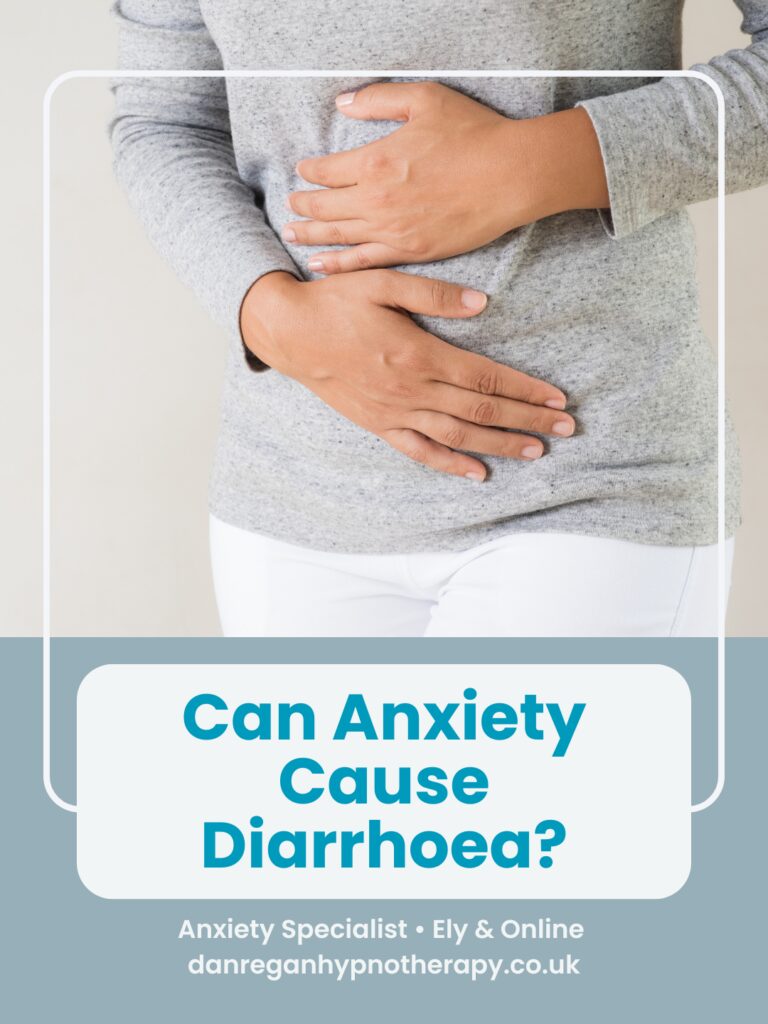
Can Anxiety Cause Diarrhoea?
Have you ever noticed that when you are anxious or stressed, your stomach seems to react too? It can range from butterflies in the stomach, to nausea, to needing to go back and for to the toilet. Anxiety doesn’t just affect how you think and feel, it affects your digestive system too. It can also be closely linked with Irritable Bowel Syndrome (IBS), with many people finding their IBS symptoms become significantly worse during periods of stress and anxiety.. One common, and sometimes embarrassing, symptom is diarrhoea. So how can anxiety cause diarrhoea?
Many people have had the experience of needing to pee when they are nervous or anxious. I can remember before my driving test years ago. I was back and for to the toilet, constantly feeling like I needed to go (to the point where I think my instructor was getting nervous about whether I’d be able to sit in the car for the test!). It’s not uncommon to need a nervous wee before an exam, test, interview, presentation or other key event.
However, for some other people, their anxiety affects their gut and manifests in the other way, with diarrhoea. There are things you can take that might help ease your stomach (and let’s not get started on that pesky advert with the song about heartburn, upset stomach and diarrhoea). However, the root cause of your stomach issues may well be anxiety because of how it impacts upon your body.
It can also create a spiral of worry. You feel anxious and experience diarrhoea. And this then makes you even more anxious about leaving the house because what if it strikes when you are out. You may even have avoided some situations because you weren’t sure there would be a clean toilet handy if you needed it. And you probably don’t want to have to explain to other people why you need to keep heading off to the toilet all the time. There is the risk you’ll be out and need to go urgently but you worry about not making it.
If you’ve ever experienced an upset stomach before a big event, presentation or stressful situation, then you know how anxiety can affect your gut. If you struggle with more generalised anxiety, the stomach issues can be debilitating.
So let’s take a look at how anxiety can cause diarrhoea and what you can do to calm both your mind and your gut.
Quick Summary
Anxiety doesn’t just affect your thoughts. It can also have a powerful effect on your digestive system, leading to symptoms such as diarrhoea, stomach cramps and an urgent need to use the toilet.
In this article you’ll discover:
- why anxiety can cause diarrhoea and digestive problems
- why your stomach often reacts before important events
- why worrying about your symptoms can make them worse
- why these digestive symptoms are a common part of anxiety
- how understanding the pattern helps you regain confidence
One of the biggest turning points is realising that anxiety-related diarrhoea is usually a sign that your body’s survival response has switched on, rather than a sign that something is seriously wrong with your digestive system.
This is one article in my series explaining the most common physical symptoms of anxiety and why they happen:
- Shortness of Breath and Anxiety
- Can Anxiety Cause Chest Pain?
- Can Anxiety Cause Dizziness?
- Why Anxiety Makes Your Heart Race
- Can Anxiety Make You Feel Sick?
- Can Anxiety Cause Tingling?
- Can Anxiety Cause Blurred Vision?
- Can Anxiety Cause Hot Flushes?
- Can Anxiety Cause Shaking or Trembling?
Related Articles
- Anxiety Support Hub
- Physical Anxiety Symptoms
- How To Calm Anxiety In The Moment
- Health Anxiety
- Hypnotherapy Reviews in Ely
Why Anxiety Can Lead To Diarrhoea
Your brain and digestive are closely linked. When you feel anxious, you may find all the symptoms, and your focus, go straight to your gut.
When your mind senses danger, whether real or imagined, it triggers the fight or flight response. Stress hormones such as adrenaline and cortisol are released and blood flow is redirected. Your digestive system is downgraded in times of danger or stress. In evolutionary terms, if you needed to survive then you wanted all your energy and blood going to your muscles. Digesting food was not important in these moments.
These changes impact upon your stomach and can lead to nausea, crams or constipation. For others, their anxiety goes the opposite way. You may experience diarrhoea and an urgent need to go to the toilet.
Perhaps the most likely reason that means that anxiety can cause diarrhoea is because of how the stress response affects your digestive system. During anxiety, your body diverts energy away from non essential areas, like your digestion. There’s no point using energy to digest food if that means you don’t have enough energy in your muscles to keep yourself safe from the threats and danger. This change can mean food moves through your intestines quickly, leading to looseness in your gut and diarrhoea.
I’ve also come across a school of thought that suggests that, when faced with a predator, emptying your bowels over yourself would make you seem much less appetising to them.
Stress and anxiety can also cause the muscles in your stomach to tense up. This can contribute to some anxiety-related toilet urges.
And, as always with anxiety, you can start to overthink and become hyper-aware of the sensations you experience. You worry that you may get diarrhoea and you worry when you have it. It feels uncomfortable and concerning. You feel more anxious and this can upset your stomach even more. You then start to worry about going out and going places in case it happens when you are out. There are so many potential risks about social embarrassment, things going wrong or being caught out.
As always with physical symptoms, if you are concerned then you should contact your GP for advice and reassurance. If anxiety is the cause, then it is certainly something you can learn to manage and get a handle on.
If anxiety symptoms are starting to affect daily life, anxiety support in Ely can help reduce both the physical sensations and the worry around them.
Why Anxiety and Your Gut Are So Closely Connected
One of the things many people don’t necessarily realise is just how closely the brain and digestive system work together.
Your gut and your brain are constantly communicating through nerves, hormones and chemical messengers. In fact, the digestive system is sometimes referred to as the body’s “second brain” because of the close connection it has with the nervous system. Whether or not you think of it as a “second brain”, there’s no doubt that your brain and digestive system constantly influence one another. That’s why emotional stress can have such a powerful effect on your stomach and bowel.
When anxiety switches on your body’s fight-or-flight response, your digestive system receives that message almost immediately. Instead of focusing on digesting food, your body temporarily redirects its resources towards helping you deal with danger. Your muscles tense, your heart beats faster, your breathing changes and your digestive system starts behaving differently.
For some people this causes butterflies in the stomach, nausea or loss of appetite. For others, it speeds up the movement of the bowel, creating an urgent need to use the toilet or causing diarrhoea.
Once you understand that your digestive system is responding to anxiety rather than something necessarily being medically wrong, those symptoms often become much less frightening. When you cal the axniety, you calm your stomach too.
Why Diarrhoea Can Become a Cycle
One of the reasons anxiety-related diarrhoea can become so distressing is that the stomach symptoms themselves soon become the next thing you fear.
The cycle often looks something like this:
- You notice your stomach beginning to churn.
- You start worrying that you might urgently need the toilet.
- Your mind begins asking:
- “What if it happens when I’m out?”
- “What if I can’t find a toilet?”
- “What if I embarrass myself?”
- Those frightening thoughts create even more anxiety.
Your nervous system releases more stress hormones and your digestive system becomes even more unsettled.
Your stomach becomes more active, your urgency increases and your brain takes that as further ‘evidence’ that something is seriously wrong. It’s one of the reasons IBS symptoms can become so closely linked with stress and anxiety for many people.
Before long, you’ve become caught in a self-perpetuating cycle where anxiety upsets your stomach, and your stomach symptoms create even more anxiety.
Some people eventually begin planning journeys around where toilets are, avoiding long car journeys, sitting near exits or turning down social invitations altogether because they don’t feel confident they’ll be able to get to a toilet quickly enough.
The encouraging news is that once you understand this pattern, it begins to lose much of its power. As your anxiety reduces, your digestive system often becomes calmer too.
One Thing I Learned About Anxiety and My Stomach
One of the first ways I noticed anxiety affecting my body wasn’t actually through panic attacks – it was through my stomach.
I still remember before my driving test constantly needing the toilet. It got to the point where I think my driving instructor was beginning to wonder whether we’d actually make it through the test without stopping!
Before exams I struggled to eat becasue my stomach felt so tense and knotted. And the same thing happened before presentations and interviews, where I’d have to plan my time to make sure I could head to the toilet beforehand (often not even needing to go).
At the time, I often thought there must be something wrong with my stomach. But looking back now, I can see that my digestive system was simply responding exactly as an anxious body is designed to respond.
The more pressure I felt, the more my stomach reacted.
Once I understood what was happening, it became much less frightening. Instead of worrying that something was wrong with me, I recognised it as another sign that my anxious nervous system had switched on. Once the anxiety settled, so did my stomach. That was a huge clue that anxiety, rather than my digestive system itself, had been driving the problem.
That change in understanding made it much easier to calm both my mind and my stomach.
What Actually Helps
Once you understand what’s happening inside your body, you can begin breaking the cycle rather than accidentally feeding it.
Here are three simple things that often help.
1. Calm Your Breathing
One of the quickest ways to settle an anxious nervous system is to slow your breathing.
When anxiety rises, breathing naturally becomes faster and shallower. By gently slowing your breathing and making your out-breath longer than your in-breath, you activate your body’s natural relaxation response. As your nervous system settles, your digestive system often begins settling too.
Practising breathing exercises every day, rather than waiting until anxiety is overwhelming, makes them much easier to use when stressful situations arise.
There’s more about this technique here: Controlled Breathing To Calm Anxious Feelings.
2. Stop Fearing Your Stomach
It’s completely understandable to worry when your stomach suddenly becomes unsettled. However, constantly checking how your stomach feels, scanning for the nearest toilet or imagining worst-case scenarios often keeps the anxiety cycle going.
Instead, remind yourself that what you’re experiencing is a recognised symptom of anxiety.
The less danger your brain attaches to those sensations, the sooner your nervous system usually begins settling.
3. Calm Your Nervous System, Not Just Your Stomach
Although it makes sense to look after your digestive health, anxiety-related diarrhoea is usually a symptom rather than the underlying problem.
The more you learn how anxiety works and how to calm your overall stress response, the less your digestive system tends to react.
As your nervous system becomes calmer, many people notice improvements not only in their stomach, but also in other physical symptoms such as chest tightness, a racing heart, dizziness and breathlessness.
The Good News
One of the biggest surprises for many people is how quickly their digestive system begins settling once their anxiety improves. Many people spend years trying different diets, supplements or medications because they assume the problem is entirely within their stomach.
Sometimes those things can certainly help. But if anxiety is driving the symptoms, calming the nervous system often produces the biggest change.
As people become less frightened by their stomach sensations, the urgency gradually reduces, confidence begins returning and everyday activities become enjoyable again.
That doesn’t usually happen overnight, but it happens far more often than people expect. Many people are surprised that as they stop worrying about their stomach, it gradually stops dominating their day.
Frequently Asked Questions about Anxiety and Diarrhoea
Can anxiety really cause diarrhoea?
Yes. Anxiety can affect the digestive system by speeding up how quickly food moves through the bowel. This can lead to diarrhoea, stomach cramps and an urgent need to use the toilet, particularly during stressful situations.
Why do I always need the toilet before something important?
When your nervous system detects stress or pressure, it activates the body’s fight-or-flight response. One effect of this can be increased bowel activity, which is why many people notice stomach problems before exams, interviews, presentations or other important events.
Can anxiety make IBS worse?
Yes. Many people find that stress and anxiety make symptoms of Irritable Bowel Syndrome (IBS) significantly worse. The worry about something happening when you are out causes your stomach to react. Learning to reduce anxiety often helps reduce the frequency and intensity of IBS flare-ups alongside any medical treatment recommended by your healthcare professional.
Why does my stomach settle once I’m back home?
Many people notice their symptoms reduce once they feel safe again. People often describe feeling more relaxed because there is a toilet close by if they need it. As the nervous system calms, stress hormones reduce and the digestive system begins returning to its normal rhythm. This is one reason anxiety-related stomach symptoms often improve once the stressful situation has passed.
Should I always assume diarrhoea is anxiety?
No. If diarrhoea is new, severe, persistent, accompanied by bleeding, significant weight loss or any symptoms that concern you, it’s important to seek medical assessment rather than assume anxiety is the cause. Many people I work with have already spoken to their GP and been reassured that anxiety is contributing to their symptoms before we begin addressing the anxiety itself.
Anxiety Hypnotherapy Ely, Newmarket, Online
Many people start planning every journey around where the nearest toilets are. They tell me they know exactly where every public toilet is in the places they regularly visit. Others avoid travelling, sitting in traffic, shopping centres or long meetings because they’re worried they won’t be able to get to a toilet quickly enough.
The more you learn how to calm your anxious thoughts and feelings, the less anxiety related diarrhoea will strike. As it reduces, you can relax and get on with the things you want to be doing.
One of the encouraging things I see is that many people who originally come because of physical symptoms such as stomach problems eventually realise the real issue wasn’t their digestive system, it was the anxiety driving it. Through hypnotherapy and other strategies, we can help you to reduce your underlying anxiety so that your stomach is calm and you feel relaxed. As your mind relaxes, those uncomfortable physical symptoms reduce, or even disappear completely.
You can explore different types of anxiety and how hypnotherapy can help on my anxiety support hub for Ely.
Anxiety can cause diarrhoea. It’s a common and natural bodily reaction to stress and anxious thoughts and feelings. It’s unpleasant, inconvenient and worrying. However, by learning how to calm your mind and body, you can take back control, ease digestive issues and feel more relaxed, comfortable and confident as you go about your day.
You can learn more here:
Or arrange a free initial consultation to discuss what might help.
To your health and happiness,
Dan Regan
Anxiety Therapy and Hypnotherapy in Ely and Newmarket
Could you use some help with your anxiety? Struggling with anxiety, stress, worry and fear and need some help? Find out how I can help with a Complimentary Anxiety Hypnotherapy Strategy Session. Learn more here: Appointments
Find out what hundreds of other people have said after their anxiety hypnotherapy sessions with Dan: Hypnotherapy Testimonials
And check out these popular and powerful hypnosis downloads that can start helping you right away with anxiety, confidence and more: Hypnosis Downloads
Get Your Copy Right Now…
Subscribe to Dan’s Digest filled with tips, strategies and techniques and get instant access to your free rapid relaxation hypnosis audio track.
Enjoy feeling and being more mentally calm and physically relaxed right now:

0 Comments