Why Anxiety Can Feel Worse During the Darker Months
Does your anxiety seem to get worse when the evenings become darker and the days get shorter?
Perhaps you’re feeling more tired, finding it harder to motivate yourself, or noticing that your mind is spending more time worrying. You might be going out less, turning down invitations or feeling more anxious about things that wouldn’t normally bother you quite so much.
And sometimes you can’t quite put your finger on why you’re feeling different.
If this sounds familiar, you’re not alone. While plenty of people enjoy autumn and winter, others notice changes in their mood, energy and anxiety during the darker months.
In my work as an anxiety specialist and clinical hypnotherapist in Ely, I often help people understand how their thoughts, feelings, routines and everyday behaviours can influence their anxiety.
And the changes that come with winter can sometimes affect several of these things at once.
The encouraging part is that recognising what’s happening gives you an opportunity to respond differently, rather than simply waiting for spring to arrive.
Quick Summary: Why Anxiety May Feel Worse in Winter
Does your anxiety feel worse in winter? Anxiety can feel more difficult during autumn and winter for several reasons:
- Less daylight: Changes in light exposure can affect sleep patterns, energy and mood.
- Changes in routine: Darker evenings can make it less appealing to go out or stay active.
- More time to worry: Spending more time indoors or doing less can sometimes leave more room for anxious thinking.
- Increased avoidance: Anxiety may encourage you to withdraw from activities that normally help you feel connected and confident.
- Feeling tired or low: When your energy or mood is affected, everyday worries can sometimes feel harder to manage.
Not everyone experiences these changes, and winter doesn’t automatically cause anxiety. But if you’ve noticed a seasonal pattern, it’s worth exploring what might be contributing.
Can the Darker Months Really Make Anxiety Worse?
For some people, yes, the darker months can make their anxiety worse.
There isn’t one simple explanation, and not everyone responds to winter in the same way. However, the darker months can bring changes to several things that influence our emotional wellbeing, including sleep, activity levels, social contact and daily routines.
For example, imagine you’ve been getting outside for a walk in the evening throughout the summer. You enjoy the fresh air, get some exercise and have an opportunity to switch off from the day.
Then autumn arrives. It’s already dark when you finish work, the weather isn’t particularly inviting, and staying indoors suddenly feels like the easier option.
You miss your walk once or twice. Then it becomes less of a regular habit. Over time, you may notice that you’re doing less, spending more time thinking about things and finding it harder to switch off.
That doesn’t mean missing a walk causes anxiety. But losing activities that normally support your wellbeing can sometimes make existing anxiety more noticeable.
And that’s where understanding your own patterns can be helpful.
How Less Daylight Can Affect Sleep, Energy and Mood
Daylight plays an important role in regulating your body’s internal clock, often called your circadian rhythm. This helps influence when you feel awake, when you become sleepy and how your sleep-wake cycle operates.
During winter, there are fewer daylight hours, and many people spend less time outside. For some, this can contribute to changes in sleep, tiredness and mood.
You might find yourself struggling to get going in the morning, feeling sleepy earlier in the evening or noticing that your usual energy levels aren’t quite the same. And when you’re already experiencing anxiety, tiredness can sometimes make it harder to respond calmly to everyday worries.
You may find yourself becoming more irritable, worrying about things that wouldn’t usually concern you, or feeling less able to cope with uncertainty.
It’s important not to assume that every change in sleep or energy is caused by the season. Persistent tiredness or significant changes in how you feel can have other causes and may need medical assessment. But recognising that daylight and sleep routines matter can be a useful starting point.
Why Doing Less Can Sometimes Lead to More Anxiety
One of the patterns I’ve noticed repeatedly after working with hundreds of people experiencing anxiety is how gradually their world can become smaller.
It rarely starts with a conscious decision to stop doing things.
Instead, someone might begin avoiding a particular situation because it makes them anxious. They feel relieved when they don’t have to face it. And understandably, they become more inclined to avoid it again.
Over time, that pattern can spread.
The darker months can sometimes make this easier to slip into. When it’s cold, wet or dark outside, there’s often a perfectly understandable reason to stay at home. But if you’re already struggling with anxiety, you may gradually find yourself avoiding more activities, seeing fewer people and losing confidence in situations you previously managed.
Perhaps you stop going to an evening exercise class. Then you start making excuses not to meet friends. Eventually, even the thought of going out can begin to feel like an effort.
The immediate relief of staying home can feel good. But if avoidance becomes your usual response to anxiety, it can strengthen the belief that the situations you’re avoiding are difficult or threatening.
This is one reason why I often encourage people to pay attention not only to how anxious they feel, but also to what their anxiety is encouraging them to do.
Related reading: Why Does Anxiety Make You Avoid Things? – explore the podcast episode about anxiety and avoidance.
Why Winter Can Leave More Room for Overthinking
Another common difficulty I hear about in my work is overthinking.
People describe their minds constantly analysing situations, anticipating problems, replaying conversations or jumping ahead to worst-case scenarios.
And when life becomes quieter, those thoughts can sometimes feel even louder.
Perhaps you’re spending more evenings indoors. You’re less active than usual and you’re not seeing people quite as often.
And you find yourself sitting on the sofa, going over the same worries again and again.
It’s not that being at home is a problem. Rest and quiet time are important. But if you notice that you’re spending more time caught up in anxious thoughts, it can help to consider whether you’ve lost some of the activities that normally give your day structure and enjoyment.
One thing I’ve learned from my own experiences of anxiety is how easy it can be to become absorbed in your thoughts when you’re feeling worried.
The more attention you give to every anxious possibility, the more important and urgent those thoughts can begin to seem.
Sometimes, making a small change to what you’re doing can be more useful than spending another hour trying to think your way out of feeling anxious.
Related reading: Overthinking and Anxiety: Why Your Mind Won’t Switch Off
Five Practical Ways to Help When Anxiety Feels Worse in Winter
If you’re anxiety feels worse in winter, you don’t necessarily need a dramatic lifestyle change.
In fact, when you’re feeling anxious, tired or low in motivation, trying to change everything at once can become another source of pressure.
I’d suggest starting with one or two manageable things. Repeat what works and then look to gently build on these foundations.
1. Make the Most of Daylight
If possible, try to spend some time outside during daylight hours.
That might mean a short walk at lunchtime, getting outside in the morning or finding an opportunity to be outdoors at the weekend.
Natural daylight helps support your sleep-wake cycle, and getting outside can also provide a welcome change of environment.
You don’t need to turn every walk into a major fitness activity – even a short period outdoors may be a useful starting point.
2. Keep Some Structure in Your Day
When it’s dark and cold, it can be tempting to let routines slip.
You might stay in bed longer, spend more evenings doing very little or gradually stop activities that usually help you feel good.
Try to keep reasonably consistent times for getting up, going to bed and doing the things that matter to you.
A regular routine doesn’t mean filling every hour with activity. It’s about giving your day some structure, rather than allowing tiredness, low motivation or anxiety to make all the decisions.
3. Notice When Anxiety Is Encouraging You to Avoid Things
This is particularly important if you already struggle with anxiety.
Ask yourself whether you’re choosing to stay at home because you genuinely want to relax, or because anxiety is making something feel difficult.
There’s nothing wrong with enjoying a quiet evening.
But if you notice that fear is increasingly deciding what you do, consider taking a small, manageable step towards something you’ve been avoiding. That might mean arranging a short meeting with a friend, returning to an activity you’ve stopped attending or getting out for a little while rather than cancelling altogether.
You don’t have to wait until you feel completely confident before taking that first step.
4. Stay Connected With Other People
It’s easy for social contact to decrease during the darker months, particularly when everyone seems busy and evenings are less inviting. But regular contact with people you enjoy spending time with can be an important part of looking after your wellbeing.
This doesn’t have to mean organising a big social event. A phone call, a coffee with a friend or a short visit can be enough to help you feel more connected.
And if social anxiety makes these things difficult, start with something that feels manageable rather than placing pressure on yourself.
5. Respond Differently to Anxious Thoughts
When you’re feeling more anxious than usual, it’s natural to start searching for an explanation.
- Why am I feeling like this?
- Is something wrong?
- Am I getting worse again?
But constantly analysing your anxiety can sometimes become another part of the problem.
Instead of assuming every anxious feeling means something is wrong, try recognising what’s happening and bringing your attention back to what you want or need to do.
You can acknowledge that you’re feeling anxious without having to solve every thought before continuing with your day.
This is something I regularly help people practise in my anxiety hypnotherapy sessions.
Real Client Experiences: Anxiety Doesn’t Have to Keep Limiting Your Life
When anxiety has been affecting you for a while, it’s easy to start believing that things will always feel this way. You might stop expecting to feel confident in social situations, enjoy activities or approach everyday challenges without so much worry.
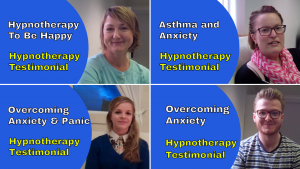
One recent client came to see me struggling with social anxiety, physical anxiety symptoms and low confidence.
In her video review, she describes how differently she now feels about herself, including feeling happier, more confident and more able to take on new things. She even describes going from feeling like a nervous wreck to believing she could speak in front of a huge room full of people.
What really matters is the change in what she believes she’s capable of doing.
Her experience isn’t specifically about winter anxiety, and everyone’s progress is different. But it illustrates something important: anxiety doesn’t have to keep deciding what you’re capable of doing.
You can watch her video review and read the anxiety and confidence case study here.
You can also read more genuine client experiences on my Hypnotherapy Reviews in Ely page.
When Winter Low Mood May Be More Than Everyday Anxiety
It’s important to distinguish between noticing some seasonal changes in energy or motivation and experiencing persistent or significant changes in mood.
Some people experience seasonal affective disorder (SAD), a form of depression that follows a seasonal pattern, most commonly during autumn and winter. Symptoms can include persistent low mood, loss of interest in activities, changes in sleep and appetite, tiredness and difficulties with concentration.
SAD is not simply another name for winter anxiety, and not everyone who feels more anxious during winter has depression. If you think you may have SAD, or changes in your mood are persistent or interfering with everyday life, speak to your GP.
Practical steps such as maintaining routines and getting outside may support wellbeing, but they aren’t a replacement for appropriate assessment or treatment.
How Anxiety Hypnotherapy in Ely Can Help
If you’re noticing that anxiety is affecting your sleep, confidence, relationships or everyday activities, you don’t have to wait for the seasons to change before seeking support.
As an anxiety specialist and clinical hypnotherapist based in Ely, Cambridgeshire, with over 15 years of experience, I help people manage anxiety, panic attacks, overthinking, fears and low confidence.
I’ve also experienced anxiety and low confidence myself, so I understand how exhausting it can be when your thoughts and feelings begin influencing what you believe you’re capable of doing.
My approach combines hypnotherapy with practical strategies to help you change unhelpful patterns of anxious thinking, feeling and responding. Sessions are tailored to your particular experiences and goals.
You can learn more about Anxiety Hypnotherapy in Ely and Newmarket, or explore the wider Anxiety Hub for more information and real client experiences.
If you’d prefer to talk things through first, I offer a free initial consultation. There’s no pressure to commit to treatment. It’s simply an opportunity to explain what’s been happening, ask questions and explore whether working together might be right for you: Arrange a Free Initial Consultation
Anxiety Worse in Winter: Frequently Asked Questions
Can anxiety get worse in winter?
Some people notice increased anxiety during autumn and winter. Changes in daylight, sleep, activity levels, routines and social contact may contribute, particularly if you’re already experiencing anxiety. However, not everyone is affected, and persistent symptoms shouldn’t automatically be attributed to the season.
Why do I feel more anxious when it gets dark earlier?
Darker evenings may change your usual routine. You might spend more time indoors, become less active or find yourself worrying more. For some people, these changes can make existing anxiety feel more noticeable.
Is winter anxiety the same as seasonal affective disorder?
No. SAD is a form of depression that follows a seasonal pattern. Although anxiety can occur alongside depression, feeling more anxious in winter doesn’t necessarily mean you have SAD. Speak to your GP if you’re concerned about persistent or significant symptoms.
Can going for a walk help with winter anxiety?
Getting outside during daylight hours and staying physically active can support sleep, mood and general wellbeing. Walking may be a useful part of managing anxiety, but it isn’t a guaranteed treatment or a substitute for professional support when symptoms are significant.
Can hypnotherapy help if my anxiety feels worse during winter?
Hypnotherapy may help some people manage patterns of anxiety, worry, avoidance and low confidence. The focus would be on understanding your individual experiences and helping you respond differently to anxiety, rather than treating winter itself as the problem.
Where can I get help with anxiety in Ely?
I offer anxiety hypnotherapy in Ely, Cambridgeshire, as well as online appointments for people in Newmarket and elsewhere. You can arrange a free initial consultation to discuss what you’re experiencing and whether hypnotherapy might be suitable.
You Don’t Have to Wait Until Spring to Feel Better
If you’ve noticed that your anxiety feels more difficult during the darker months, it’s worth looking at what’s changed.
Perhaps your sleep has become less regular, you’re spending less time outside or anxiety has gradually encouraged you to withdraw from activities you used to enjoy.
Understanding those patterns can help you begin making changes.
And if anxiety is becoming difficult to manage, support is available now: Book Your Free Initial Consultation
You can also explore more advice, resources and real client experiences in my Anxiety Hub.
To your health and happiness,
Dan Regan
Anxiety Therapy and Hypnotherapy in Ely and Newmarket