
Required

High Functioning Anxiety
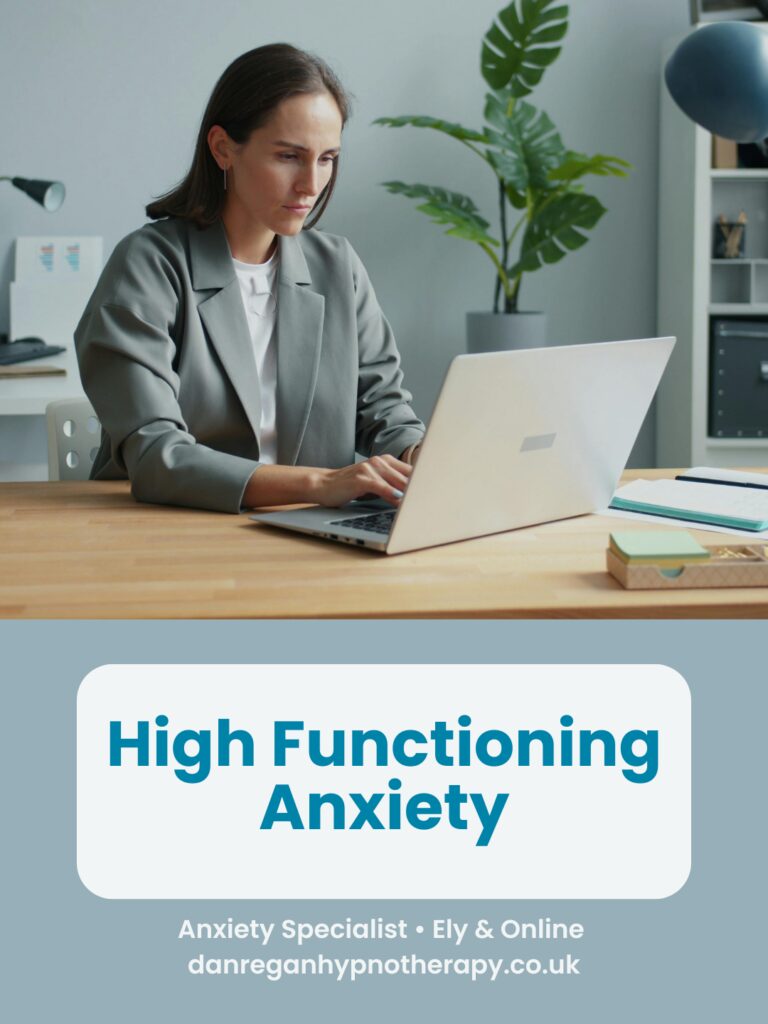
High Functioning Anxiety: Why You Can Seem Fine But Feel Struggled Inside
High functioning anxiety: From the outside, everything might look fine – you’re coping, getting things done, and keeping things together. But on the inside, it can feel very different.
You may be working, managing responsibilities, supporting others and appearing calm and capable. People may even describe you as organised, reliable or successful.
From the outside, people often describe you as confident, organised and capable. But internally, it can feel very different.
You struggle with overthinking and negative thinking. You worry about making mistakes or being judged. You place yourself under constant pressure to perform, achieve and get everything right. It can feel exhausting.
This is more common than many people realise, especially among people who are used to being capable, reliable, and ‘holding things together.’
High functioning anxiety often means you are coping on the outside, while feeling under constant pressure on the inside.
Quick Summary
High functioning anxiety can leave you appearing calm, capable and successful on the outside while feeling exhausted and under constant pressure on the inside.
In this article you’ll discover:
- what high functioning anxiety really is
- why it often goes unnoticed
- why success doesn’t always mean you feel calm
- how anxiety can drive productivity at a personal cost
- how to reduce the internal pressure without losing your motivation
High functioning anxiety isn’t about whether you’re coping on the outside. It’s about how much pressure you’re carrying on the inside.
Related Resources
- Anxiety Support Hub
- Anxiety and Overthinking
- Why Anxiety Isn’t Going Away On Its Own
- Signs Your Anxiety Is Getting Worse
- When Should You Seek Help For Anxiety?
- Hypnotherapy Reviews in Ely
What Is High Functioning Anxiety?
High functioning anxiety isn’t a formal diagnosis, but it’s a very real experience.
It often involves:
- persistent overthinking
- feeling ‘on edge’ or under pressure
- difficulty switching off
- a strong sense of responsibility
- fear of making mistakes or being judged
- pushing yourself to keep going
Because you are still functioning, it can be easy to overlook how much strain this creates. And the better you perform, the more pressure there is to be perfect and to stay on top of things.
Some forms of anxiety can bring you to a stand still where you struggle to function or get things done. High functioning anxiety goes the other way – you can get a lot of things done but anxiety is the driver of your productivity.
Other people may not pick up on these traits because they are beneath the successful surface. You may not even identify as someone with anxiety.
This can often affect confidence, self-esteem and how you feel internally and can include overthinking in social situations. It can also be seen in people who identify as introverted.
One Thing I Learned About High Functioning Anxiety
One thing I didn’t realise when I struggled with anxiety was that other people would probably have described you get things me as coping perfectly well.
I was still working, still getting things done, still meeting responsibilities. I could manage teams fo people, hit work targets and still have time to train for marathons.
From the outside, life probably looked fairly normal. But inside, it all felt completely different.
My mind rarely stopped. I constantly replayed conversations, worried about what might happen next and put pressure on myself to get everything right. I had to be on top of everything all the time or others might pick up on what was happening internally. If I wasn’t doing something productive, I often felt guilty.
The strange thing was that I didn’t necesarily think of myself as an anxious person when doing this. I just thought I was someone who thought a lot, was good at planning and who wanted to be successful.
Looking back now, I realise anxiety had quietly become the engine driving everything I did.
One of the biggest changes came when I realised I didn’t have to choose between being calm and being productive.
I could still achieve, still work hard and still care about doing a good job.
I just didn’t need anxiety to be the thing pushing me forward.
Why High Functioning Anxiety Often Goes Unnoticed
One of the reasons high functioning anxiety can be difficult is that it is often very well hidden. Because things are getting done and all looks well on the outside, the anxiety can go unnoticed – both by others and by the person experiencing it.
In some cases, anxiety can even drive productivity, organisation, and achievement. You may be good at planning, spotting risks and getting things done. But over time, this can lead to exhaustion, constant pressure, and difficulty relaxing.
In my work as an anxiety therapist in Ely, many people describe feeling like they ‘shouldn’t be struggling because they are coping day-to-day.
They may:
- meet expectations
- be good at what they do
- stay productive
- appear calm to others
But internally feel:
- overwhelmed
- mentally exhausted
- constantly overthinking
This gap between how things look and how they feel can make it harder to talk about.
There is a pressure to never let things slip or to let others in on what happens on the inside.
The Hidden Pressure
High functioning anxiety is often driven by a combination of:
- high standards
- strong sense of responsibility
- fear of getting things wrong
This can lead to patterns such as:
- over-preparing
- overthinking decisions
- replaying conversations
- difficulty relaxing
Although these behaviours can appear helpful, they are often driven by anxiety rather than confidence.
You get things done. You work hard. You achieve. Yet underneath it all there’s often constant pressure, worry and self-criticism. This can also show up as worrying about how you are perceived by others.
There can be overlaps with low self esteem and impostor syndrome. You can also explore more about how anxiety works and the different ways it can show up on my anxiety hub page.
High Functioning Anxiety – Common Patterns
A common pattern I see is someone who is managing a lot in their day-to-day life.
They may be working, supporting others, and keeping things running smoothly. On the surface, they appear to be coping well. Others may even respect and admire them.
However, underneath, there is often:
- constant mental activity
- difficulty switching off
- pressure to ‘keep it together’
Over time, this can lead to feeling drained, burnt out, tense and stuck in a cycle of doing more while feeling worse.
Many people only realise how much anxiety has been present when they finally pause – or when it all gets too much and the cracks appear.
For example, someone might be doing well at work, meeting deadlines, and managing responsibilities, yet constantly overthinking, worrying about mistakes, and finding it difficult to switch off. From the outside, they appear calm and capable – but internally, it can feel exhausting. At some point you may start to sink under the pressure, and just one comment or perceived criticism can bring everything crashing down.
In other articles, I’ve covered more about intrusive thoughts and how to calm anxiety in the moment.
Why It Can Be Hard to Slow Down
One of the challenges with high functioning anxiety is that it can feel like slowing down is not an option.
Thoughts such as:
- ‘I just need to get through this’
- ‘I can’t let things slip’
- ‘I should be able to handle this’
- ‘I don’t want anyone to think I can’t handle it’
can all keep the cycle going.
Even when things are going well, the mind may continue scanning for what could go wrong. It’s like you have to keep pushing on and on.
The Link Between Anxiety and Performance
High functioning anxiety is often misunderstood because it can sit alongside achievement.
However: Being productive does not mean you feel calm.
In fact, anxiety can sometimes drive productivity – but at a cost.
Over time, this can lead to:
- burnout
- reduced enjoyment
- ongoing tension
Even within the productivity and accomplishment, there may still be things you avoid due to anxiety.
Why It Feels So Hard To Switch Off
One of the biggest frustrations with high functioning anxiety is that relaxing can actually feel uncomfortable.
When you’re constantly thinking, planning and solving problems, your brain becomes used to operating at that speed.
So when you finally sit down to relax, your mind often doesn’t. Instead, it starts replaying conversations, thinking about tomorrow’s tasks or searching for the next thing that needs your attention.
Many people tell me they feel guilty for slowing down. Almost as though relaxing is being lazy.
The irony is that genuine rest often makes you more productive in the long run.
Learning how to switch off isn’t about becoming less successful.
It’s about allowing your nervous system time to recover so you can still perform at your best – without feeling like you’re running on pressure all the time.
What Helps with High Functioning Anxiety?
The aim is not to remove your ability to cope or perform, but to reduce the pressure and negative thoughts underneath it.
Helpful approaches include:
- understanding how anxiety is driving patterns
- reducing constant mental over-engagement and fatigue
- learning to step out of overthinking
- being able to relax and enjoy things without pressure
- allowing yourself to slow down without guilt
You may also find it helpful to read more about anxiety and overthinking and how the mind can get stuck in loops.
When It Starts to Catch Up With You
High functioning anxiety can continue for a long time before it becomes more noticeable.
Some signs it may be catching up include:
- feeling more tired than usual
- becoming less productive
- increased irritability
- difficulty relaxing
- physical symptoms such as tension or disrupted sleep
If this is happening, it’s often a sign that your nervous system has been under sustained pressure.
This can be a gradual build up until you feel exhausted and burnt out. Or, a stressful event happens and you tip into overwhelm with this on top of everything else.
You may sometimes wonder why your anxiety isn’t going away on its own.
The Good News
One of the most encouraging things I see is that people don’t lose their drive when anxiety reduces.
This is often one of their biggest fears and something that stops them asking for help.
They worry: “If I stop worrying…I’ll stop achieving.”
In reality, the opposite usually happens.
They still work hard, still care and still perform well. The difference is that they’re no longer driven by constant pressure, self criticism and fear of making mistakes.
Instead of constantly surviving, they begin enjoying their success as well.
Frequently Asked Questions
Is high-functioning anxiety real?
Yes. Although it’s not a formal diagnosis, it describes a very common experience.
Why do I feel anxious even when things are going well?
Because anxiety is driven by patterns in the nervous system, not just external circumstances.
Can you have anxiety and still function normally?
Yes – and this is often what makes high functioning anxiety harder to recognise. When the wheels come off, you struggle to cope.
Support for High Functioning Anxiety
If this sounds familiar, it’s important to know that you’re not ‘just like this – these patterns can change.
With the right support, many people find they can:
- feel calmer and more positive
- think more clearly
- enjoy life more
- reduce internal pressure and self criticism
- still function and be equally as productive – but without the same level of strain
You don’t have to choose between being successful and feeling calm. In fact, many people discover they become even more effective once anxiety is no longer doing the driving.
You can learn more here:
Or arrange a free initial consultation to discuss what might help.
To your health and happiness,
Dan Regan
Anxiety Therapy and Hypnotherapy in Ely and Newmarket
Could you use some help with your anxiety? Struggling with anxiety, stress, worry and fear and need some help? Find out how I can help with a Free Initial Consultation. Learn more here: Appointments
Find out what hundreds of other people have said after their anxiety hypnotherapy sessions with Dan: Hypnotherapy Testimonials
And check out these popular and powerful hypnosis downloads that can start helping you right away with anxiety, confidence and more: Hypnosis Downloads
Get Your Copy Right Now…
Subscribe to Dan’s Digest filled with tips, strategies and techniques and get instant access to your free rapid relaxation hypnosis audio track.
Enjoy feeling and being more mentally calm and physically relaxed right now:

0 Comments